Preventing and Managing Lower Back Pain


Lower back pain is one of the most common physical health issues in the United States, affecting more than 28% of adults who experience chronic or recurring symptoms. It can develop easily from everyday activities such as heavy lifting, prolonged sitting, or poor posture.
Utilizing Home Exercise Programs (HEPs) is an effective way to help patients who are experiencing back pain or at risk of developing it stay consistent with their care plans by engaging in guided exercises from home. In this post, we share evidence-based strategies to prevent lower back pain and highlight several HEP videos available through PhyxUp Health’s Remote Therapeutic Monitoring (RTM) platform.
Prevention-Based Exercises
Although lower back pain can seem inevitable with age or daily strain, it remains one of the most preventable chronic conditions. Incorporating regular stretching and strengthening exercises into a patient’s care plan can significantly reduce the risk of recurrence and support long-term spinal stability.
- Strengthening Core Muscles
The lumbar region supports the weight of the upper body, and strong core muscles are critical to maintaining this stability. Core strengthening helps distribute load evenly across the spine, minimize strain, and prevent fatigue-related pain. Because these muscles are not fully engaged during most daily activities, targeted activation is necessary.
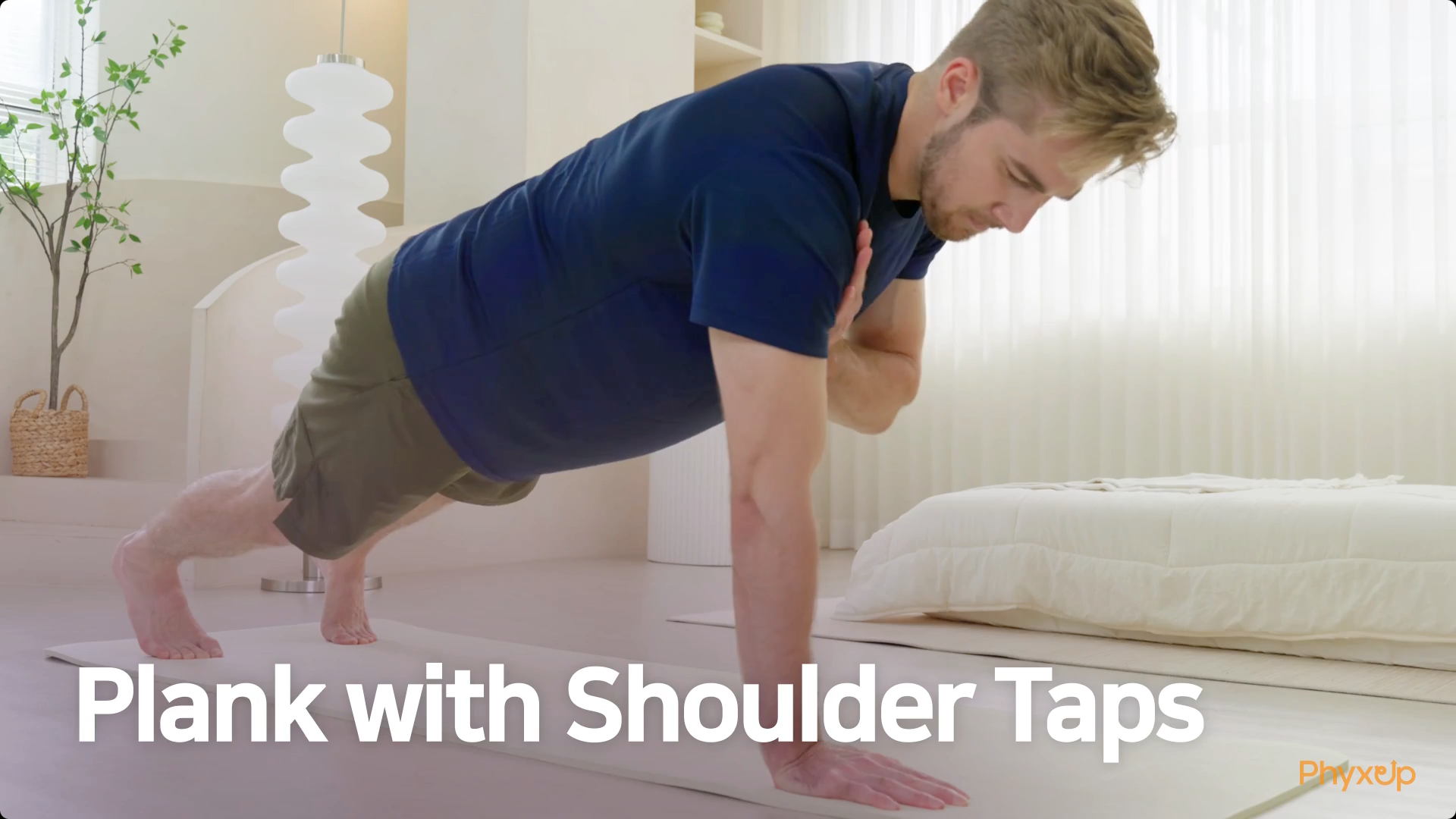
A simple yet effective option is performing a plank with shoulder taps. This one-minute exercise activates abdominal, back, and shoulder muscles, helping your patients build endurance and balance while keeping their core engaged.
1. Start on all fours, then straighten your legs to enter a plank position, keeping your body in a straight line.
2. Hold the plank, then lift one hand off the ground to tap your opposite shoulder.
3. Return to the starting position and repeat with your other hand.
4. Continue alternating taps 10 times on each side for 3 reps.
- Lifting With Legs
Patients who regularly lift objects at work are at high risk for mechanical back strain. Educate them on proper lifting techniques: bending at the knees instead of the waist, keeping the back straight, and engaging the core to stabilize the spine.
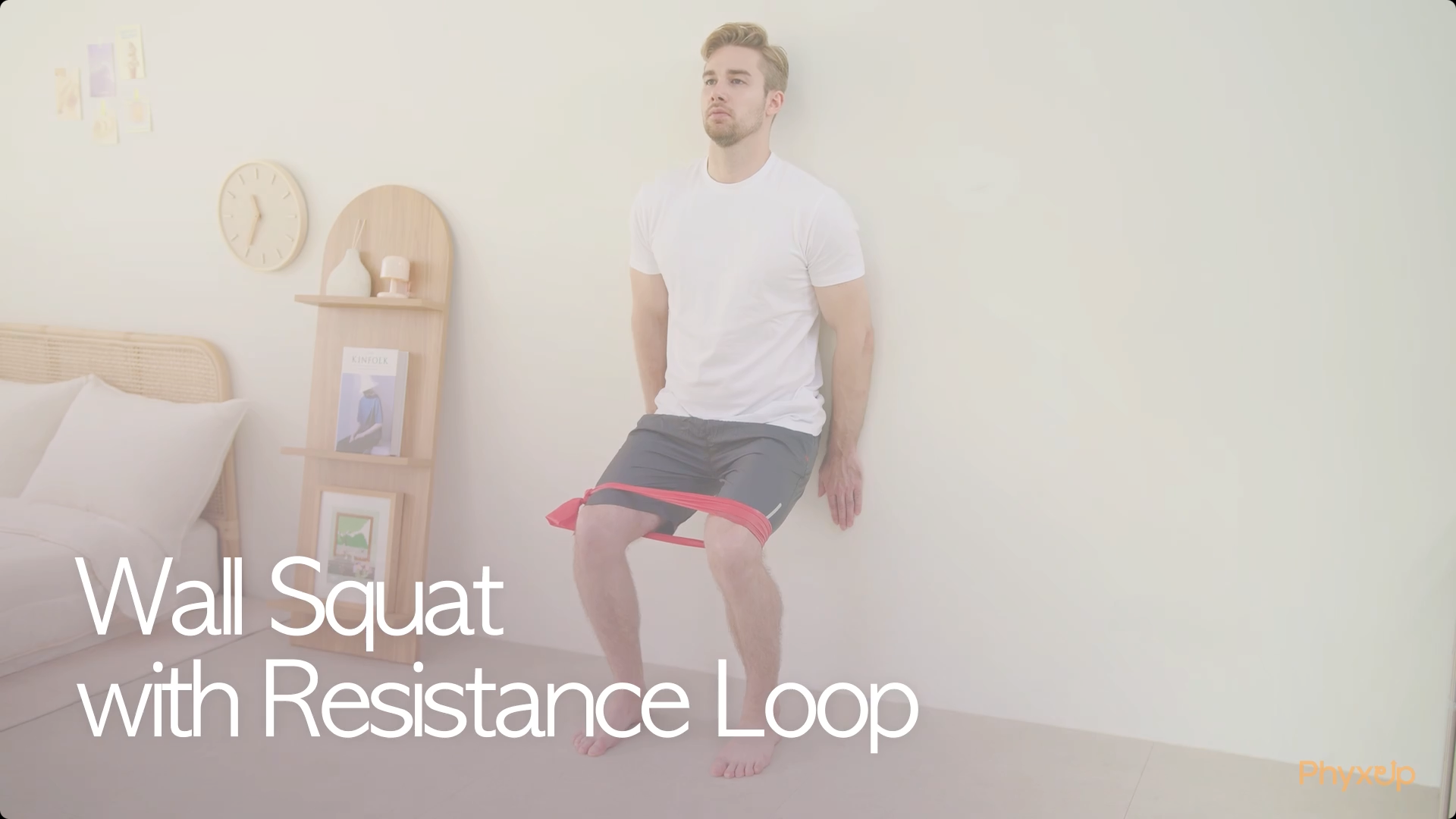
To strengthen the muscles involved in safe lifting, try recommending a wall squat with a resistance loop to your patients. This movement helps build both leg and core stability while improving the mind-muscle connection needed for proper lifting technique.
1. Stand in front of a wall with your feet slightly wider than shoulder-width apart and a resistance band around your knees.
2. Lean back into a squat, pressing your back against the wall, and bend your knees to 90 degrees.
3. Hold this position for 30 seconds while keeping tension in the resistance band.
Ensure your knees do not extend past your toes and keep your back flat against the wall.
- Sitting Posture
Prolonged sitting is one of the most frequent contributors to lower back pain. Encourage patients to maintain ergonomic posture throughout the workday, keeping knees slightly higher than hips, ensuring lumbar support, and avoiding slouched or twisted positions.
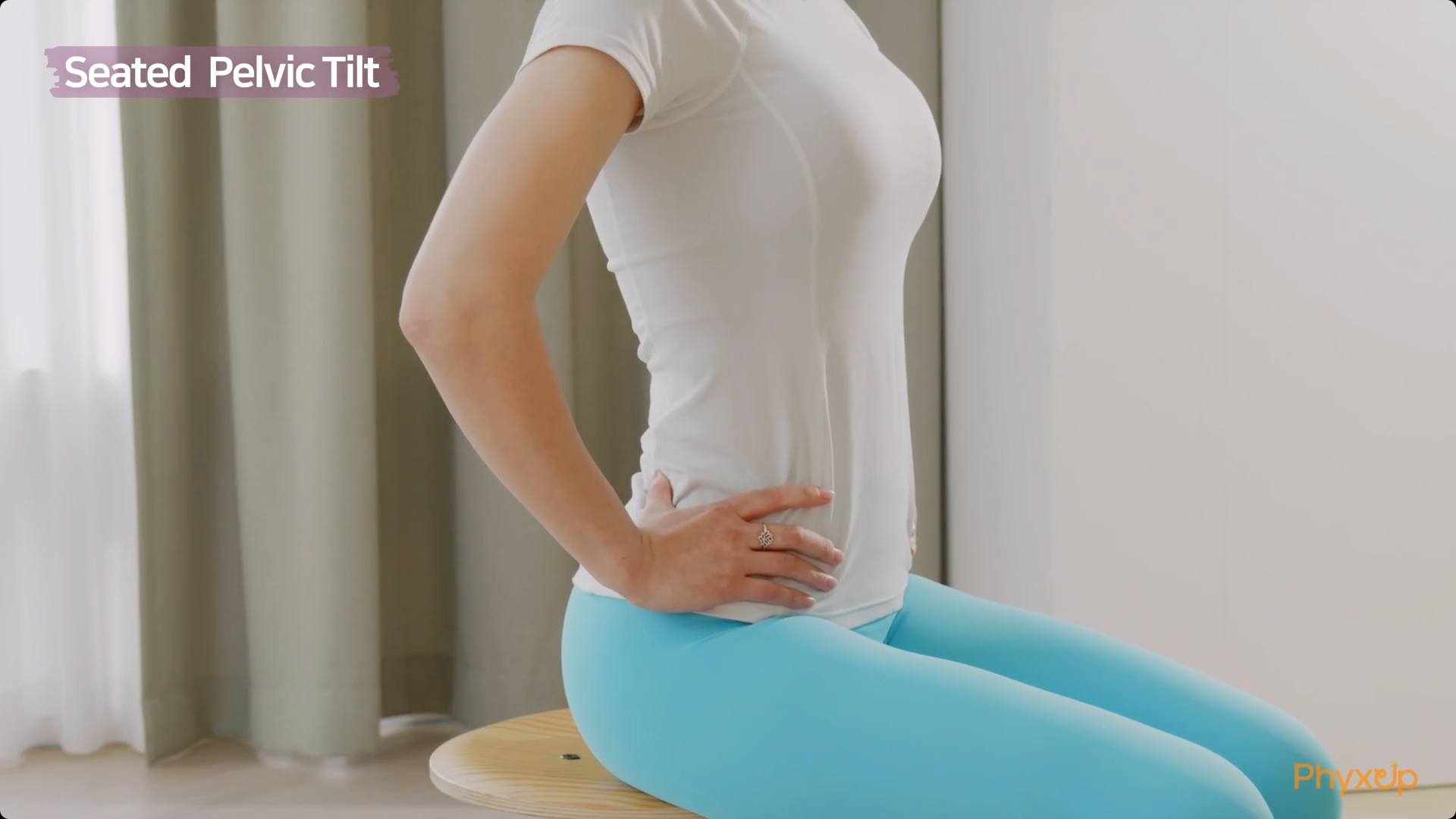
Recommend the seated pelvic tilt for patients to perform periodically throughout the workday, for example, between writing emails, to provide a quick stretch, reset their posture, and reduce lumbar stiffness from prolonged sitting.
1. While in a seated position, put your hands on your waist.
2. First, flatten your low back, and tilt your pelvis back.
3. Next, arch your low back, and tilt your pelvis forward.
4. Repeat the movement for 10 reps
Exercises to Alleviate Back Pain
Even with good posture and regular stretching, occasional back discomfort can still happen. When it does, gentle, targeted exercises can help relieve tension and prevent the pain from becoming more serious or chronic. Incorporating these movements into a patient's treatment plan can improve flexibility, strengthen supporting muscles, and promote faster recovery.
- Pigeon Pose
Tight hamstrings and glute muscles are a common source of lower back pain. Even if you don’t exercise regularly, these muscles can become stiff from sitting or standing for long periods. Stretching them helps release tension that can pull on your lower back.
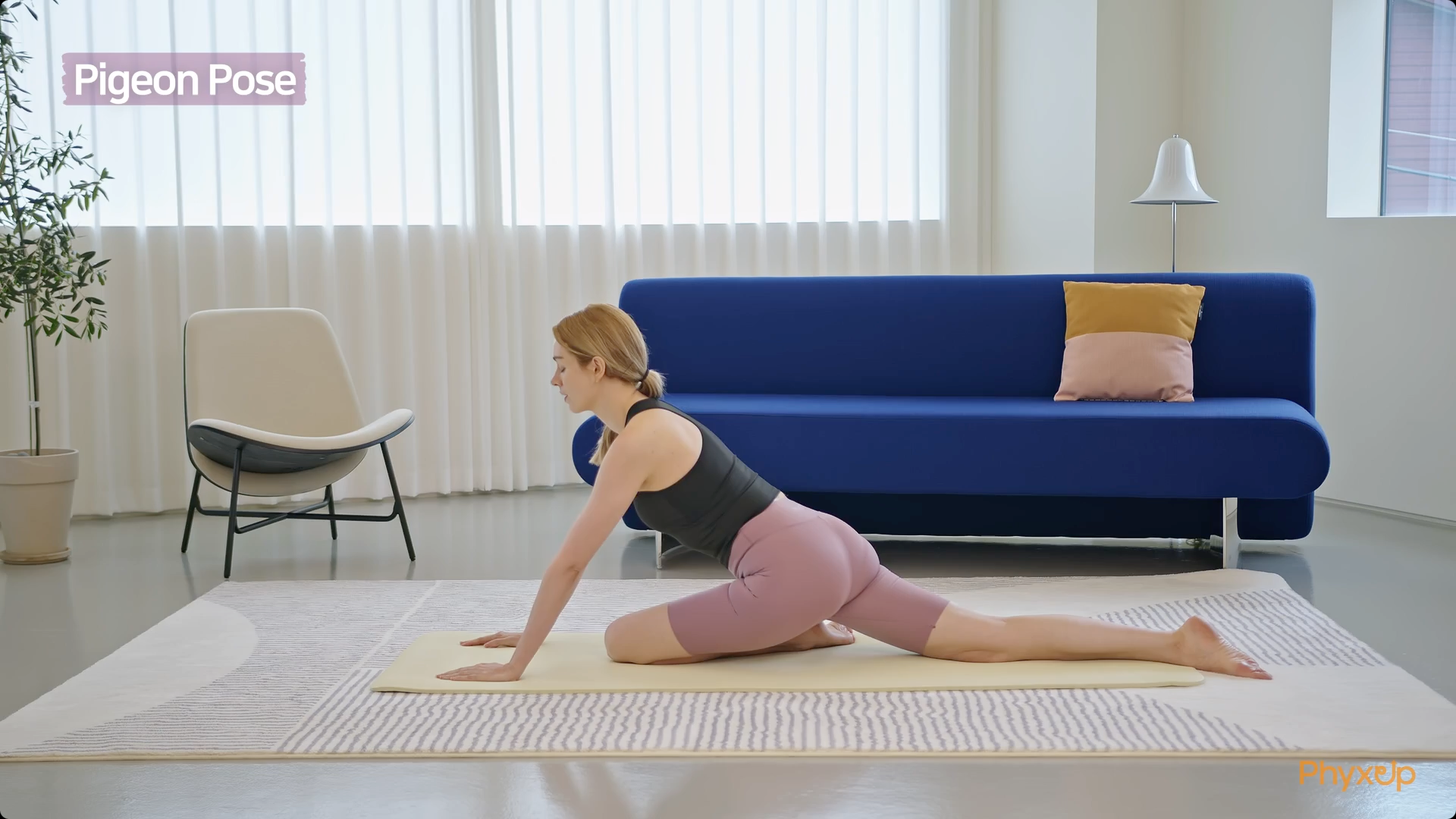
The Pigeon Pose is an effective stretch that targets both the hamstrings and glutes, promoting flexibility and reducing pressure on the lower spine.
1. Begin on all fours, with your hands directly under your shoulders and your knees directly under your hips.
2. Bring one knee forward, placing it behind your wrist and allowing your shin to rest on the ground.
3. Extend the other leg straight back behind you, keeping your hips square to the floor.
4. Bring your trunk forward, extending your arms straight on the ground in front of you, lowering your chest toward the ground.
5. Hold this position for 10 seconds, breathing deeply and steadily.
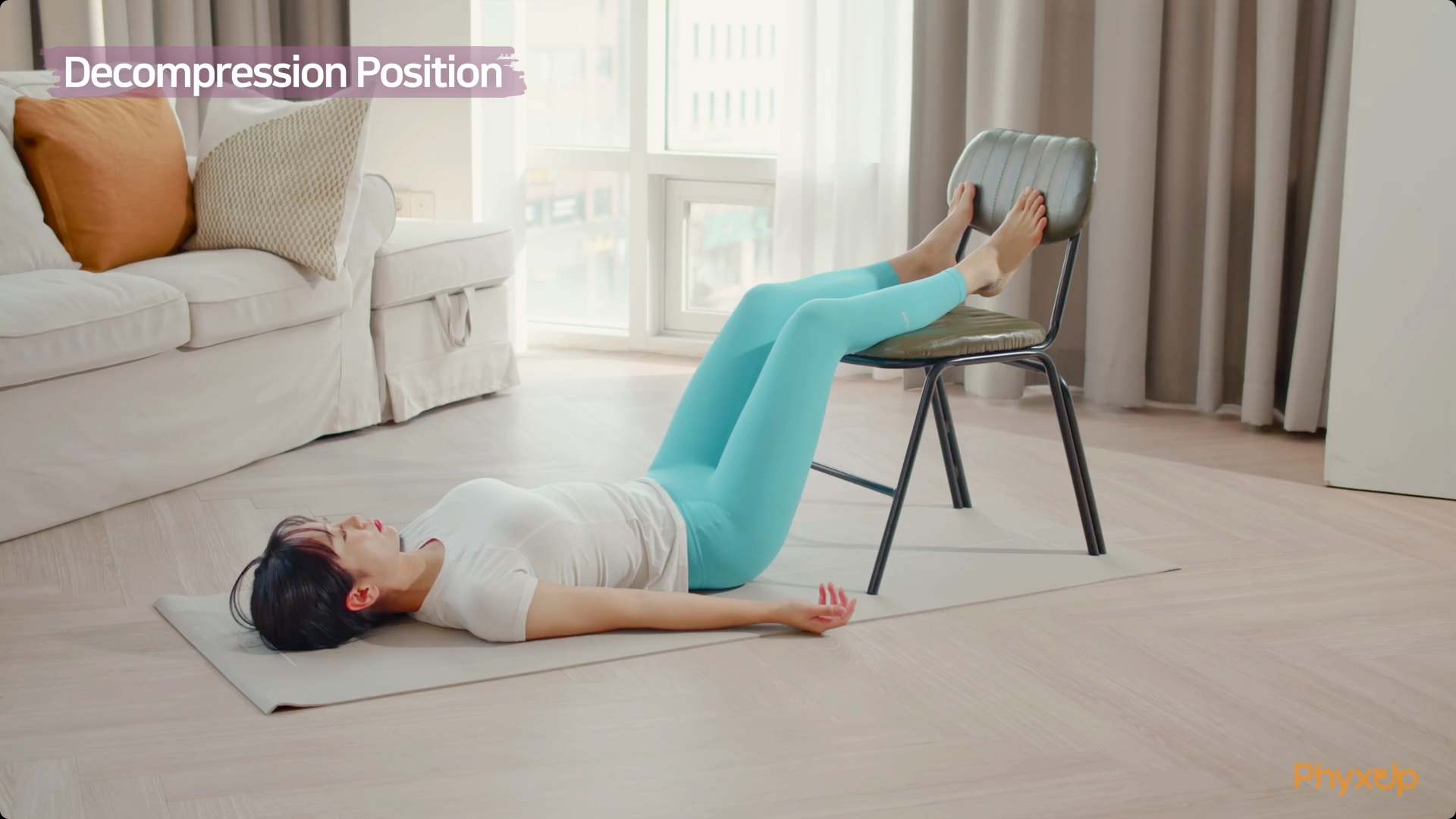
- Decompression Position
For individuals experiencing chronic or severe back pain, performing dynamic stretches may feel difficult or even unsafe.
The Decompression Position offers a gentle and accessible alternative that can be done by patients of all mobility levels. By lying in a supported position that relieves pressure on the spine, this exercise helps reduce tension in the lower back and ease discomfort.
1. Lay on your back with both legs propped up on a chair.
2. Allow your back to relax and stretch.
3. Lay in this position for 5-10 min.
- Prone Lumbar and Cervical Extension
Lower back pain and neck pain often occur together, as both can result from poor posture, muscle imbalance, or improper movement techniques.
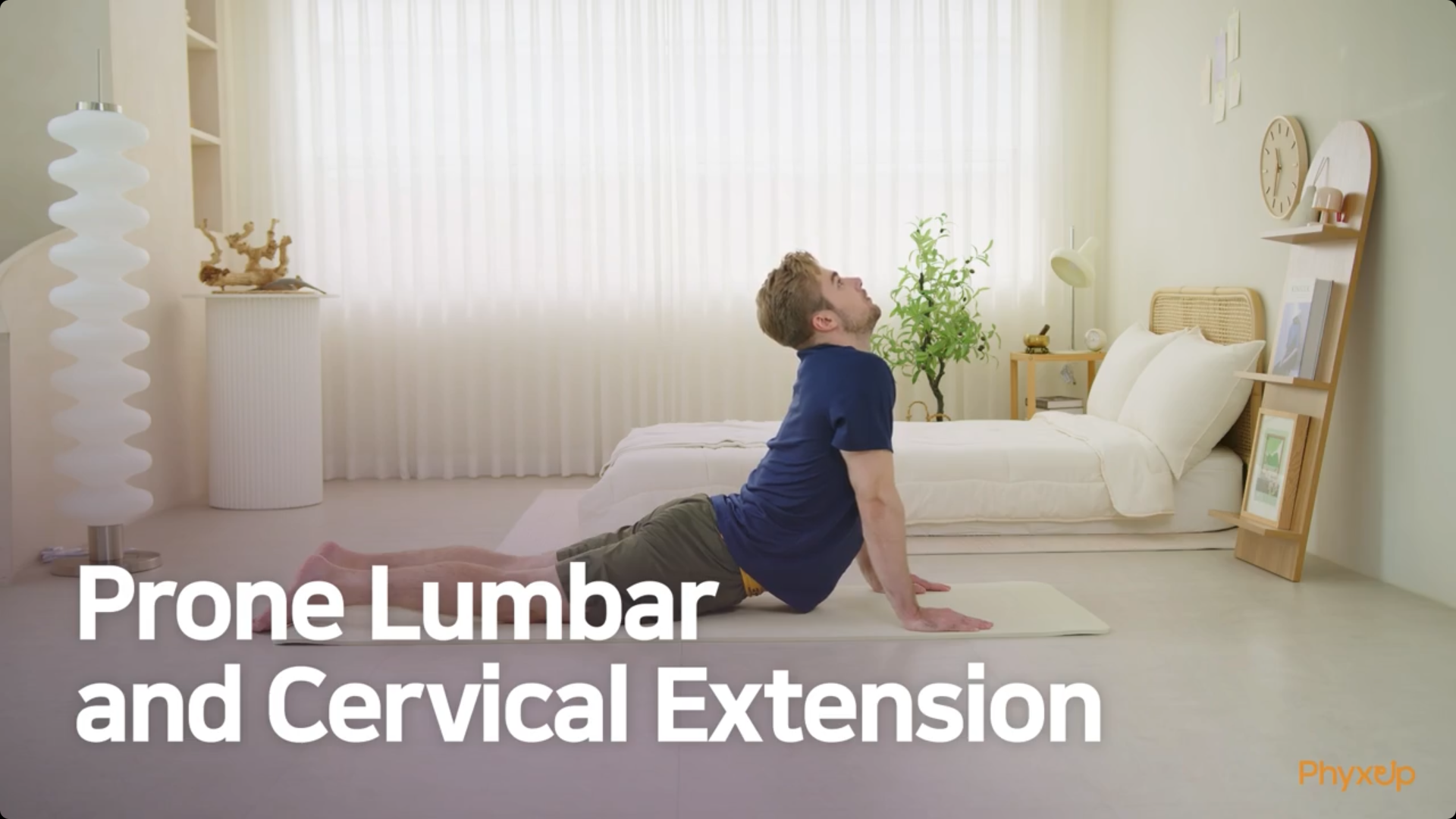
Incorporating Prone Lumbar and Cervical Extension into a patient's treatment plan can help address both areas by strengthening the spinal extensors and improving posture alignment.
1. Begin lying on your belly with your legs straight.
2. Place your hands under your shoulders, elbows bent.
3. Push into the floor to lift your chest. Straighten your elbows while keeping your pubic bone on the floor.
4. Tilt your gaze upward towards the ceiling, extending your jaw away from your throat to stretch the front muscles.
5. Hold pose for 10 seconds.
PhyxUp Health: Comprehensive Care for Every Patient
Empower your patients to take control of their recovery anytime, anywhere. With PhyxUp Health’s Remote Therapeutic Monitoring (RTM) platform, clinics can easily prescribe and track personalized Home Exercise Programs (HEPs) that help prevent and manage lower back pain, all while simplifying patient documentation and billing to help your practice stay competitive.
Why Clinics Choose PhyxUp Health
- 👨⚕️ Real-Time Progress Tracking: Monitor pain, mobility, and exercise completion between visits
- ⭐️ Evidence-Based HEP Library: Access 500+ guided exercise videos clinically designed for safety and effectiveness
- 💸 Automated Billing & Reimbursement: Capture CMS-approved CPT codes for increased revenue
- 💻 Seamless Workflow Integration: Works directly with EMR/EHR systems without extra steps
- 🔒 HIPAA-Compliant & APTA Certified: Ensure patient privacy and uphold the highest digital care standards.
- 🛠️ Full-Service Management: Licensed therapists handle onboarding, check-ins, and support
- 🎨 In-App Branding: Customize the platform to match your clinic’s branding